

Why Gen Z Prefers Flexibility Over Full-Time Office Work

Unlike previous generations, Gen Z entered the workforce during a time of rapid technological advancements and shifting workplace expectations. The pandemic accelerated the adoption of remote and hybrid work models, and now, many young professionals see little reason to return to the old way of working.
Here’s some of the reasons why Gen-Z prefer flexibility over full-time office work:
1. Work-Life Balance is a Priority
Gen Z values personal well-being and mental health more than climbing the corporate ladder. A rigid office schedule can feel restrictive, while remote or hybrid work offers the freedom to manage their time more effectively.
2. Digital Natives Thrive in Remote Environments
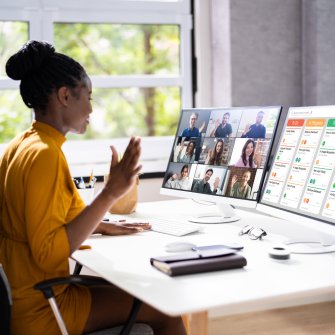
As the first generation to grow up fully immersed in technology, Gen Z is highly adaptable to digital communication tools. They don’t see a need for a physical office presence when video calls, messaging apps, and collaboration software make remote work just as productive.
3. Office Culture Feels Outdated
Traditional office environments with strict schedules, rigid hierarchies, and unnecessary meetings often clash with Gen Z’s desire for autonomy and efficiency. They prefer results-driven work overclocking in hours at a desk.
4. Financial Considerations
With rising living costs, Gen Z is mindful of expenses like commuting, office attire, and eating out. Remote work saves money and time, making it a more attractive option.
5. A Strong Preference for Purpose-Driven Work
Gen Z prioritises meaningful work over corporate loyalty. They seek employers who align with their values, offer flexibility, and focus on output rather than physical presence.
What This Means for Employers
Companies that insist on full-time office attendance may struggle to attract and retain Gen Z talent. To stay competitive, businesses need to:
- Offer hybrid or remote work options to accommodate different working preferences.
- Focus on results-driven performance metrics rather than hours spent in the office.
- Invest in digital collaboration tools to create seamless remote working experiences.
- Foster a strong company culture that prioritizes purpose, inclusivity, and work-life balance.
The Future of Work: A Hybrid Approach
While Gen Z may not completely eliminate office work, the future is likely to be hybrid. Companies that embrace flexibility will not only attract top young talent but also create a more engaged and productive workforce. The days of mandatory five-day office weeks are fading, and businesses that adapt to these changes will be the ones that thrive.
The Impact on Gen Z’s Work Ethic
While flexibility offers numerous benefits, some critics argue that the shift away from full-time office work could impact Gen Z’s work ethic. Without the structure and accountability of a physical workplace, some young professionals may struggle with self-discipline, time management, and maintaining boundaries between work and personal life.
Additionally, the lack of in-person mentorship and networking opportunities could slow career progression and limit professional development. However, others believe that Gen Z’s ability to work independently, adapt to digital environments, and prioritise efficiency will redefine productivity, proving that success isn't measured by hours spent in an office but by the quality of work delivered. Ultimately, companies that find a balance between flexibility and structure will help Gen Z thrive while maintaining high-performance standards.
If you're a Gen Z professional and looking for your next job, browse our jobs online or contact our team of recruitment experts to discuss your job search requirements.