

Seasonal Recruitment Trends in Key Industries - How to Stay Ahead of the Game

Seasonal recruitment trends vary significantly across industries, each with unique peaks and troughs tied to market demands, project cycles, and economic factors. Understanding these patterns helps employers and job seekers navigate recruitment cycles more effectively. Below, we break down seasonal trends for nine key industries that we specialise in:
Architecture and Construction
Seasonal Trends:
- Spring and Summer: A peak season driven by an increase in construction projects, site work, and outdoor activities. Hiring surges for roles such as Project Managers, Architects, and Site Supervisors.
- Winter: A slowdown in recruitment as outdoor projects pause, but there is demand for roles focused on planning, design, and strategy. Winter often comes with weather complications and health & safety precautions, so generally, Winter is a time to prepare recruitment plans.
Tips for Employers:
- Start recruitment early in the year to secure talent for spring and summer projects. If you’re looking to hire staff for the warmer months, it’s best to get your recruitment started around February to ensure you give yourself enough time to plan, shortlist, interview candidates and consider notice periods.
- Create a recruitment plan while working out your budget for the year to give you the most accurate idea of costings.
Tips for Job Seekers:
- Target roles in spring for hands-on project involvement, particularly outdoor construction work.
- Leverage winter hiring for planning and design-focused positions. Remember to start looking at what positions are available well in advance to allow time for an interview (or multiple if required) along with your notice period.

Civil Engineering
Seasonal Trends:
- Spring and Summer: Recruitment peaks during the spring and summer months due to favourable weather for infrastructure projects, including roads, bridges, and water systems.
- Autumn: Demand remains steady for Project Managers and Structural Engineers as projects move into advanced stages.
- Winter: Hiring slows, with a focus on planning and design for the next construction cycle.
Tips for Employers:
- Secure key hires during winter to ensure a full team is in place for the spring surge to ensure you’re not short-staffed.
- Offer flexible contracts for seasonal peaks to maintain workforce agility.
Tips for Job Seekers:
- Apply early in the year to secure roles on large-scale projects starting in spring.
- Use downtime in winter to enhance skills or earn certifications relevant to infrastructure development.

Interior Design
Seasonal Trends:
- Autumn and Winter: Increased demand for Interior Designers as businesses and homeowners prepare for year-end renovations or redesigns.
- Spring and Summer: Steady hiring for hospitality and retail projects, especially with seasonal events or new developments.
Tips for Employers:
- Plan recruitment campaigns ahead of peak project periods in autumn and winter.
- Offer flexible hiring options, such as freelance or project-based roles, during summer events.
Tips for Job Seekers:
- Build your portfolio and network in the off-season to be ready for peak hiring.
- Target roles with firms specialising in year-round projects like retail or commercial interiors.

HVAC
Seasonal Trends:
- Spring and Summer: Significant hiring spikes for HVAC Technicians and Engineers due to increased demand for cooling systems.
- Autumn: Preparation for winter leads to recruitment for heating system specialists.
- Winter: Lower demand, except for emergency services or critical maintenance roles.
Tips for Employers:
- Secure top talent in early spring to prepare for the busy summer season. We often see a large spike in HVAC recruitment during late spring ready for the busy summer months ahead, but leaving recruitment until late spring could find you searching for candidates in a short space of time and hiring someone in a panic.
- Invest in training during quieter periods to upskill your current workforce.
Tips for Job Seekers:
- Look for permanent roles in spring or autumn when demand surges.
- Consider freelance or seasonal roles during peak periods to gain experience.

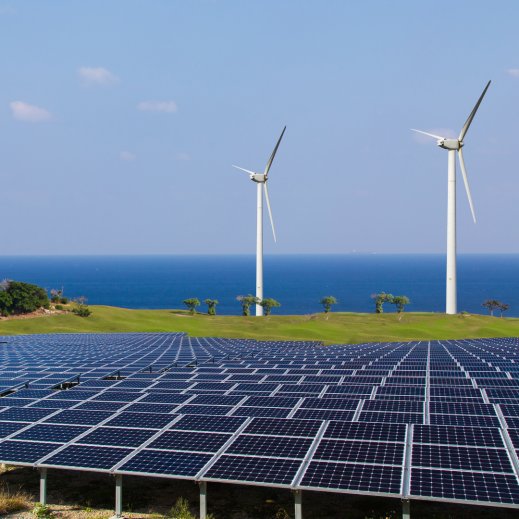
Renewable Energy & Power Generation
Seasonal Trends:
- Spring and Summer: Recruitment increases for installation roles in solar, wind, and hydropower due to favourable weather conditions.
- Autumn: Demand for strategic and planning roles to prepare for upcoming projects.
- Winter: A quieter hiring period focused on R&D and energy policy roles.
Tips for Employers:
- Start hiring in autumn to prepare for spring installation projects.
- Promote roles tied to innovation and sustainability year-round.
Tips for Job Seekers:
- Position yourself for hands-on roles in spring and summer.
- Target policy or R&D opportunities during winter months.
Manufacturing and Supply Chain
Seasonal Trends:
- Summer: Increased demand for production workers and supply chain roles to prepare for peak holiday seasons.
- Autumn: Hiring peaks as businesses ramp up operations for Q4 demand.
- Winter: Slower recruitment, except for logistics roles tied to holiday shipping.
Tips for Employers:
- Recruit early in the summer to secure top talent for the holiday season.
- Focus on workforce optimisation during quieter winter months.
Tips for Job Seekers:
- Apply for seasonal roles in logistics and production during summer and autumn.
- Use winter downtime to enhance skills in automation or inventory management.

Finance
Seasonal Trends:
- January and February: Hiring surges as businesses finalise budgets and tax season begins.
- Autumn: Demand for financial analysts and accountants grows as companies prepare for year-end reporting.
Tips for Employers:
- Start recruitment in Q4 to secure talent ahead of tax season.
- Offer flexible options, such as temporary roles, to manage peak workloads.
Tips for Job Seekers:
- Target roles at the start of the year for opportunities in budgeting and financial planning.
- Focus on year-end accounting or consulting roles in Q3 and Q4.

Final Thoughts
Seasonal trends in recruitment are deeply tied to the rhythms of each industry. By understanding these patterns, employers can better align their hiring efforts with market demand, and job seekers can time their applications for maximum impact. Whether you're in architecture, interiors, construction, civil engineering, HVAC, finance, or renewable energy, knowing when to act is the key to a smooth hiring process.
Whether you’re looking for your next employee or your next job, our team of recruitment experts will be happy to assist you with your search. Head over to our industries page to search our latest jobs or contact us to discuss your requirements.