

A Recruitment Business Partner: Recruitment Statistics from 2024 on why a strong recruitment partnership will benefit your company

Having a Recruitment Business Partner is more beneficial than ever right now, especially with the high demand for complex skill sets and evolving projects, and we’ve got some stats from 2024 to share from The Recruitment Network to shed some light on why it’s a strong recruitment partnership is so important.
Here’s some statistics on why working with a Recruitment Business Partner is so important:
Data-Driven Personalisation:
According to LinkedIn, 64% of candidates now expect personalised job recommendations as part of their job search experience. This demand highlights a shift in candidate expectations, where generic job board listings or automated recommendations from a company website no longer suffice. Candidates want to feel valued and understood, seeking opportunities that align closely with their skills, aspirations, and values. Meeting this expectation requires a more tailored and human-centred approach to recruitment.
At the heart of our recruitment process is a commitment to truly understanding our candidates and clients. When vetting candidates, our Consultants go beyond simply matching CVs to job descriptions. We invest time in learning about a candidate’s professional background, personal career goals, and unique preferences. Similarly, we work closely with our clients to fully grasp their company culture, strategic goals, and specific needs. This dual commitment ensures that we’re not only offering personalised job recommendations to candidates but also presenting employers with candidates who are genuinely aligned with their requirements. By fostering a deeper connection with both parties, we’re able to deliver a bespoke recruitment service that drives satisfaction and long-term success for everyone involved.
Rise of Counteroffers:
Research has shown 57% of UK candidates received counteroffers in 2024, highlighting the growing need for recruiters to craft compelling initial offers to reduce attrition and improve placement success rates. Without the support of a reliable Recruitment Business Partner, employers often face challenges in identifying if a candidate has received a counteroffer, let alone understanding its value. This makes it far more difficult to adjust the original offer strategically to secure the candidate’s commitment. Partnering with an experienced recruitment professional ensures you stay ahead in the competitive hiring landscape and increases your chances of attracting top talent.
Client Longevity and Revenue Stability:
Research shows that long-term clients are 60% more profitable (Bain & Company) and strategic relationship-building helps recruiters create sustained business value, enhancing revenue predictability.
Our Consultants take the time to build strong client relationships by gaining a deep understanding of your company, culture, future goals, and specific needs. This comprehensive insight allows us to effectively market your vacancies, attract the right talent, and strategically plan for your long-term hiring success. Knowing the business well means the candidates we match are much more likely to stay within the company for a long time, reducing staff turnover.
Emphasis on Trust:
According to Deloitte, 80% of clients consider trust a key factor when selecting a recruitment partner. At the heart of our approach is building trust-based relationships, giving our clients confidence that our Consultants will deliver top-tier, highly compatible talent. This not only ensures a strong return on investment when hiring but also helps secure long-term, dedicated team members who contribute to their ongoing success.
Complex Hiring Needs:
With 65% of roles transitioning to hybrid or remote models (PwC), the hiring landscape has grown significantly more complex. Clients are now tasked with addressing challenges that go beyond simply filling vacancies—such as navigating a competitive talent market, accommodating flexible work arrangements, and ensuring a strong cultural fit even in virtual environments.
This shift has redefined the role of recruiters, transforming them from transactional agents into strategic partners. Recruiters must now understand their clients’ evolving needs, from crafting compelling employer value propositions to managing expectations around productivity, collaboration, and work-life balance in hybrid and remote settings.
As strategic partners, recruiters help clients identify top-tier talent capable of thriving in flexible environments while also guiding hiring managers on market trends, compensation benchmarks, and retention strategies tailored to hybrid or remote roles.
This partnership ensures not just successful hires, but long-term workforce stability, enabling clients to adapt to a dynamic, tech-driven work landscape. The ability to navigate these complexities effectively sets the best recruiters apart, helping businesses attract and retain the right talent for the future of work.
Client Demand for Diverse Talent:
With 78% of companies acknowledging that diversity significantly influences their hiring decisions (Mercer), the emphasis on Equity, Diversity, and Inclusion (EDI) has never been greater. Businesses increasingly recognise that diverse teams drive innovation, improve decision-making, and enhance financial performance. As such, inclusive hiring practices have become a top priority for organisations striving to align their workforce with their values and long-term goals.
Recruiters play a pivotal role in this transformation. Proficiency in EDI enables recruiters to address potential biases in the hiring process, expand the talent pool, and identify candidates who bring unique perspectives and experiences. By doing so, they help clients build teams that reflect the diversity of the communities they serve and create environments where all employees feel valued and supported.
Meeting client expectations for inclusive hiring goes beyond compliance or trend-following—it strengthens employer branding and enhances organisational performance. Companies prioritising diversity and inclusion often see increased employee satisfaction, reduced turnover, and a stronger ability to attract top talent in a competitive market.
Moreover, skilled recruiters act as trusted advisors, educating clients on best practices for inclusive job descriptions, unbiased interview processes, and diverse talent pipelines. By aligning recruitment strategies with EDI principles, recruiters ensure clients achieve a sustainable and impactful approach to diversity that resonates with their stakeholders and enhances their reputation. This proactive approach ultimately contributes to a healthier, more equitable workforce and a stronger business performance.
Regulatory and Market Pressure:
UK legislation and stakeholder expectations for diversity in the workplace have grown, making Equity, Diversity, and Inclusion (EDI) a critical priority for businesses. Research shows that companies with diverse teams see 19% higher revenue, highlighting the tangible benefits of fostering inclusion. Beyond compliance with laws like the Equality Act 2010, organisations face increasing pressure from investors, customers, and employees to demonstrate commitment to diversity. This shift has elevated the role of recruiters as strategic partners, guiding companies toward equitable hiring practices that enhance workplace culture and business performance.
Similar to our points above, recruiters skilled in EDI help clients access underrepresented talent pools, craft inclusive job descriptions, and implement unbiased screening processes. Their expertise ensures hiring aligns with organisational values and delivers measurable results, such as improved innovation and employee satisfaction. By enabling businesses to build diverse teams, recruiters not only support compliance and stakeholder demands but also help clients unlock long-term benefits, including greater adaptability, creativity, and revenue growth.
Skills-Based Hiring Trends:
76% of companies are now prioritising skills-based hiring over traditional qualifications (SHRM) and the recruitment landscape is undergoing a significant transformation. Employers are increasingly valuing practical competencies and experience over degrees or certifications, recognising that skills directly tied to the role are more predictive of a candidate’s success. This shift is driven by the evolving demands of modern workplaces, where agility, problem-solving, and adaptability are critical for long-term success.
Recruiters with expertise in assessing competencies rather than credentials play a vital role in this new hiring paradigm. They leverage innovative tools like skills assessments, behavioural interviews, and situational judgment tests to evaluate candidates' practical abilities. This approach not only widens the talent pool by including non-traditional candidates but also ensures a closer match to an employer's current and future needs. By focusing on skills, recruiters help businesses build dynamic, capable teams that are better equipped to navigate challenges and drive innovation.
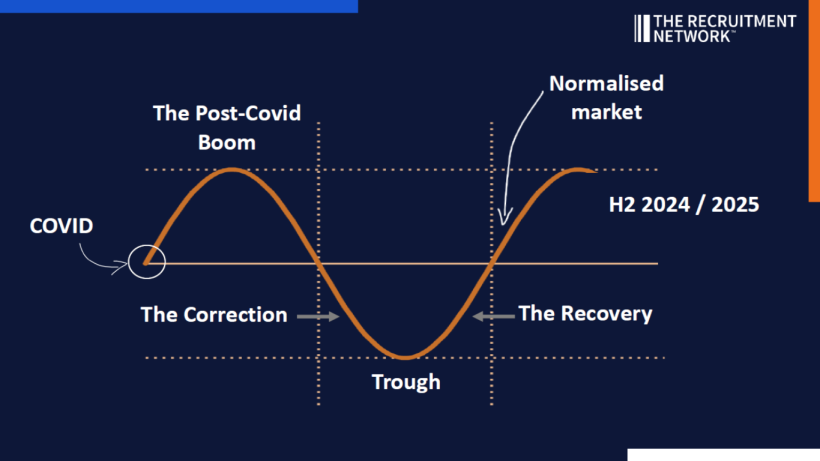
Where is recruitment headed in 2025?
According to research, on average, 77% of UK employers are planning to expand or maintain business-critical permanent, contract and project-based headcount in the next six months.
To break this down further, the research showed that over a third (39%) of employers are planning to expand permanent resources, and almost a quarter (24%) intend to hire more contractors in the next six months.
So if you’re looking for a Recruitment Business Partner to help you find your next member of the team, or if you’re a candidate looking for a new job, get in touch with our recruitment experts.